
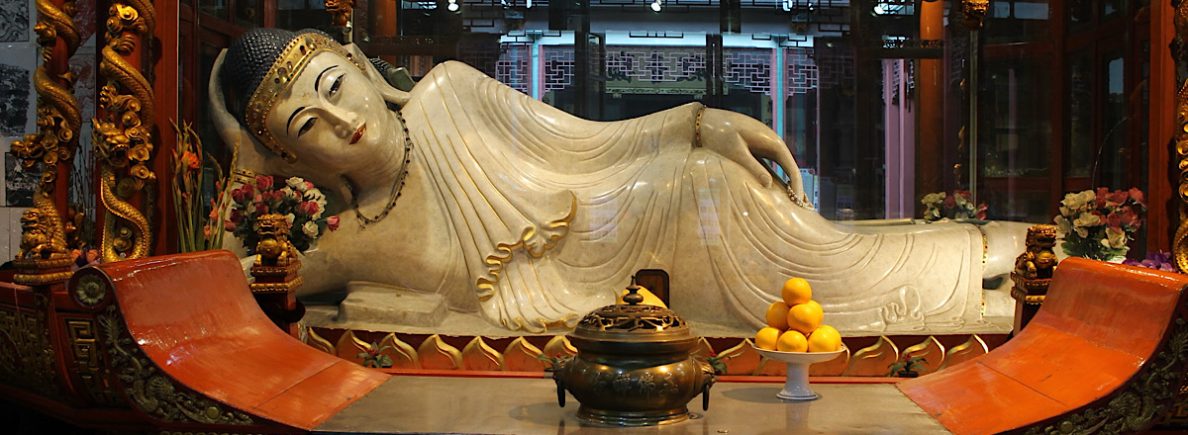

One of the first things many people notice when entering a Buddhist temple is the presence of incense, candles, lamps, flowers, and water offerings.
To some, these may appear mysterious or purely ritualistic.
But over time I have come to see them less as acts of worship and more as aids to mindfulness and attention.
Lighting a candle or butter lamp creates a pause.
The simple act of lighting incense slows the mind and marks a transition from ordinary activity into a more reflective state.
During my recent pilgrimage to Nepal, I became much more aware of these small devotional practices. Removing shoes, lighting a lamp, offering incense, and sitting quietly in front of a Buddha image created a powerful sense of focus and presence.
The elements themselves also carry symbolic meaning.
Candles and lamps represent light and clarity. Incense can symbolise purification and mindfulness. Flowers quietly reflect impermanence, as they inevitably fade and change.
None of these objects are magical.
Their value lies in how they influence the mind.
Even now at home, I continue to use a simple meditation table with:
- a candle
- incense
- flowers
- a small bowl of water
Not out of superstition, but because these small rituals help create the right conditions for stillness and observation.
In Buddhism, external objects are not usually the destination.
They are reminders:
to pause,
to pay attention,
and to return to awareness.
Wow!! Well interpreted 👏🙏
Thank you so much🙏. As a long time practitioner of these things you know much more than I do. You grew up with it. I am a beginner so your praise is very much appreciated 🙏🕉️