
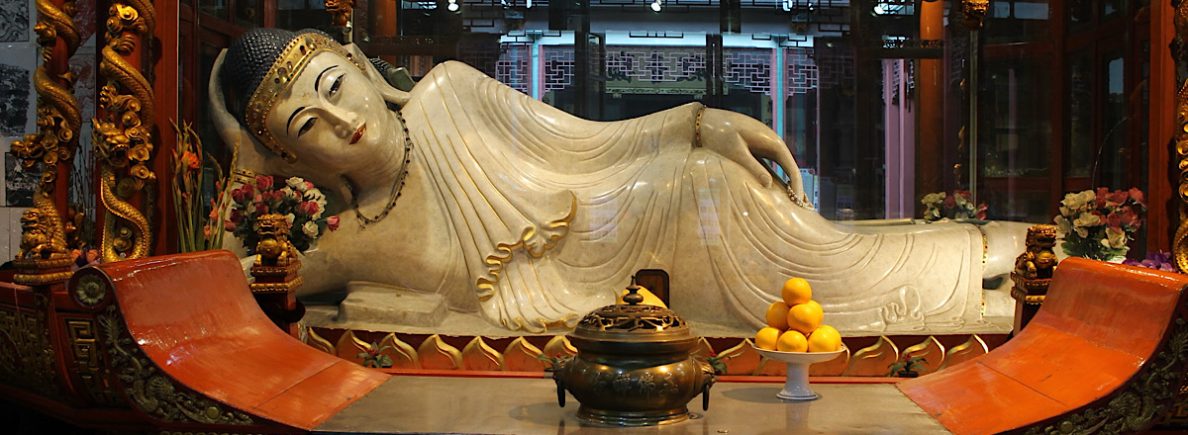

Mindfulness is one of the most widely used words in modern wellbeing culture, yet mindfulness within Buddhism has a deeper and more practical meaning.
For the Gautama Buddha, mindfulness was not simply relaxation or stress reduction. It was a way of observing experience clearly and directly.
In its simplest form, mindfulness means paying attention to what is happening right now:
- thoughts
- emotions
- bodily sensations
- reactions
- surroundings
But doing so without immediately judging, resisting, or clinging to them.
This sounds simple, but in practice the mind spends much of its time:
- remembering the past
- anticipating the future
- replaying conversations
- chasing desires
- avoiding discomfort
Mindfulness gently interrupts this habit.
Within Buddhist practice, mindfulness is closely connected to observation. Rather than blindly reacting to life, we begin noticing how thoughts, emotions, and impulses arise and pass away.
Over time, this reveals something important:
many of the things we experience as solid and permanent are actually changing moment by moment.
For me personally, mindfulness is less about “emptying the mind” and more about becoming familiar with it.
This can happen formally in meditation, but also in ordinary activities:
- gardening
- walking
- making tea
- sitting quietly
The important thing is not perfection, but awareness.
The Buddha described mindfulness as part of the Noble Eightfold Path, particularly within the area of mental discipline. It supports calmer attention, clearer understanding, and a more balanced relationship with daily life.
Perhaps most importantly, mindfulness reflects the Buddha’s invitation to “come and see” for yourself.
Not to believe blindly.
But to observe directly.
Do not believe in anything simply because you have heard it. Do not believe in anything simply because it is spoken and rumored by many. Do not believe in anything simply because it is found written in your religious books. Do not believe in anything merely on the authority of your teachers and elders. Do not believe in traditions because they have been handed down for many generations. But after observation and analysis, when you find that anything agrees with reason and is conducive to the good and benefit of one and all, then accept it and live up to it.
Gautama Buddha
“Such a great breakdown of what mindfulness actually means in practice. It’s so helpful to be reminded that it’s not about ’emptying the mind,’ but rather becoming familiar with how it works. Truly insightful!”
Thank you I try to keep my posts reflective and simple. Always good to engage with someone who appreciates my style 🙏🕉️
“That is exactly why your posts are so refreshing! There is a unique power in simplicity, and it’s a pleasure to engage with someone who writes with such clarity and sincerity. I always look forward to reading your thoughts—thank you for sharing them.